- Maintenance - Paint - Chemical
- Sikaflex
- Toxic Paint
- Maintenance Chemicals
- Epoxy - Fiber Repair
- Brush - Roller
- Insulation and Maintenance Tapes
- Adhesive - Insulation
- Cleaning Chemicals
- Cleaning Supplies
- Teak Care
- Varnish
- Oil - Grease
- Bilge Paint
- Silicone
- Paint Systems
- Aquarius
- Dehumidifier
- Pasta Polish
- Water Additives
- Engine Oil
- Engine Paint
- Engine Additives
- Paper Coveralls
- Spraying Equipment
- Spray Paints
- Protection
Price Range
Product Type
Abrasive Grit Number (P Value)
Quantity
Varnish
Varnish / Abrasive / Thinner: Clean Workmanship, Smooth Surface, More Lasting Result
A good result in boat maintenance often comes not with a "top coat" but with preparation and application discipline. Varnish, sandpaper and thinner are three critical complementary parts: the sandpaper prepares the surface, the varnish aims for finish and protection, and the thinner manages both application consistency and equipment cleanliness. Therefore, you can think of this category as the basic set of tools that "determine the result" in paint/varnish work.
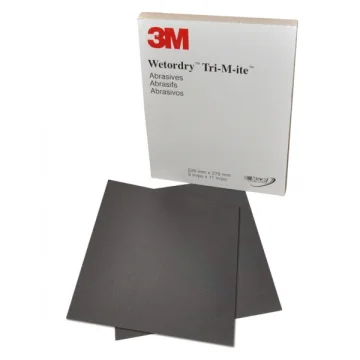
Sandpaper: The foundation of adhesion and smoothness
The main purpose of sanding is not just to thin the surface; it is to control the surface and help the applied layer to adhere better. Incorrect sanding choice or hasty application can lead to problems such as streaks, waves, adhesion problems or "apparent transition between coats".
Practical sanding logic (general approach)
- Know the surface: New work, old coat removal, just intermediate sanding? Determine the step accordingly.
- Thin step by step: Going from very coarse sanding to very fine sanding makes it difficult to homogenize the surface.
- Intermediate sanding discipline: Light intermediate sanding between coats of varnish helps for a smoother finish.
- Dust management: Dust removal is as important as sanding; if dust remains, the final coat may show lumps/smudges.
Varnish Protection as much as appearance approach
Varnish is a critical topcoat, especially on wooden surfaces (and in some application scenarios), both in terms of aesthetic appearance and surface durability. The important point here is this: "the brightest varnish" does not always mean "the right varnish". The choice is determined by the type of surface, intensity of use, external environmental influences (UV, salt, wet-dry cycle) and the targeted appearance. The technical orientation of the products (application thickness, number of coats, waiting time between coats) directly affects the permanence of the result.
How to improve the quality of workmanship in varnish application?
- Complete surface preparation: Cleaning dust/debris after sanding helps the varnish to spread evenly.
- Thin coat logic: Controlled and homogeneous coats reduce the risk of bleeding/scratches.
- Discipline between coats: The required waiting time and intermediate sanding aims for a more "glass-like" finish.
- The right equipment: Choosing the right brush/roller directly affects streak formation and consumption.
Considering Brush - Roller Equipment for application equipment and Masking Tapes for clean edges together significantly improves the quality of workmanship.
Thinner Application consistency and equipment cleanliness
The role of thinner is often misunderstood. In some systems, thinner is used to adjust the application consistency of the product and to clean the equipment after application. However, not every product "gets along" with every thinner. The healthiest approach is to proceed with the thinning/cleaning logic in accordance with the product's own guidance.
3 basic rules for controlled use
- Compliance: Based on the thinning/cleaning approach recommended by the product used.
- Measurement: Excessive thinning may make coverage, spreading or coat control difficult.
- Cleaning: Cleaning the equipment correctly as soon as the application is finished reduces trace/hardening problems on the next job.
Example "safe sequence" (general application flow)
- Cleaning Remove salt, oil and residues from the surface.
- Sanding: Prepare and homogenize the surface according to the system to be applied.
- Dusting: Manage the dust well; the quality of the topcoat is determined here.
- Filler/primer if necessary: If there are defects, base with primer / putty.
- Varnish coats: Proceed with thin and controlled coats, observe the necessary discipline between coats.
- Intermediate sanding: Aim for smoothness with light intermediate sanding if necessary.
- Equipment cleaning: After application, clean the equipment with thinner and prepare it for the next job.
Common mistakes (short but critical)
- Underestimating surface preparation: This is where adhesion, marking and durability problems often arise.
- Failing to manage dust: It can leave defects such as lumps/pores on the topcoat.
- Incorrect equipment: Inappropriate brush/roller can leave marks and increase consumption.
- Incompatible thinning approach: Excessive/incorrect use of thinner can make application difficult.
- Masking errors: If the edges do not come out clean, it directly reduces the workmanship.
Summary
TheVarnish / Sander / Thinner category is a basic set of preparations for a smooth surface, clean workmanship and more lasting results in boat maintenance. In the right sequence and in the right harmony, the varnish spreads more evenly, the surface looks smoother and the maintenance routine becomes more manageable.
Price Range
Product Type
Abrasive Grit Number (P Value)
Quantity
Recommended Products
Selected for you
Added to cart
Product added to cart.